

WORKING HARD TO SAVE ANIMALS FROM EXTINCTION
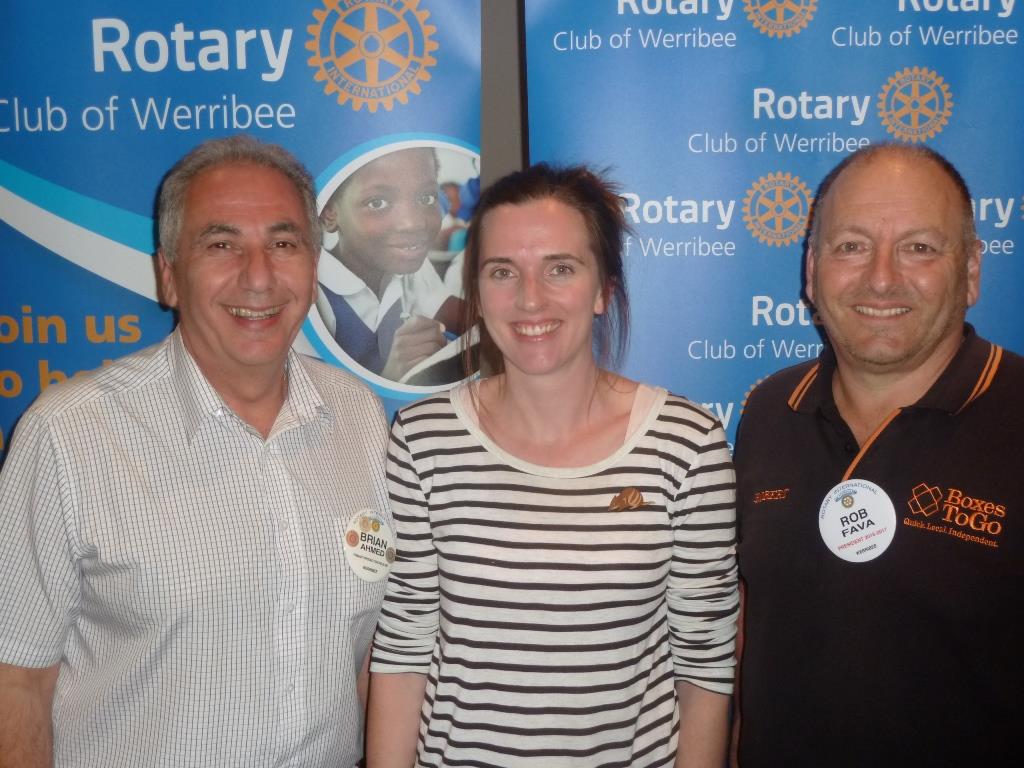
Kimberley Polkinghorne is the Communications and Marketing Manager at the Werribee Zoo. She devoted her talk to the issues facing some rare species of Australian native animals and the work that the zoo is doing to protect those animals from extinction.
Some of these species include the Baw Baw Frog, Brush-Tailed Rock Wallaby, Leadbeaters Possum, Orange-Bellied Parrot, Plains Wanderer, Alpine She-Oak Skink and the Tasmania Devil. These unique animals, and others, are found only in south-eastern Australia. Tragically, they are being pushed to the brink of extinction by habitat loss, introduced species, infectious diseases, fire and climate change. Unless people act to save them, they could be lost forever.
In 2009, a rare native bat became extinct. Since that time, the zoo has pledged to put more time and resources to ensure that other endangered animals continue to survive and thrive. For example, the last remaining group of Eastern Barred Bandicoots was discovered in Hamilton in the 1990's. They were captured and brought to the zoo to ensure they had the best chance of breeding successfully. 650 bandicoots have now been bred in captivity and have subsequently been distributed to several remote areas that are fenced off to prevent foxes from gaining access. However, to further insure their safety, trials are being conducted on Guardian Dogs who can be trained to protect native animals, such as the bandicoot, in the wild. The dogs are very territorial and will attack any outsiders. Currently, they have 8 dogs in training. Once they reach two years of age, they will sent to the sites where the bandicoots are located.
Other interesting stories from Kimberley included:
- There are less than 50 Orange-Bellied Parrots in the wild but 300 have now been bred in captivity. Without this type of intervention by the zoo, this bird would be extinct within 3-5 years.
- The Plains-wanderer bird is also in grave danger of disappearing. There is nothing like this creature in the world. It is quirky and crazy. It's survival depends on the density of grasslands in their area. Grazing or under-grazing has a major impact on them. The zoo is building new facilities to help their numbers grow.
Click here to learn more about the good work that the zoo is undertaking.